Rome
Contained memory. Archaeology of the first displacement.
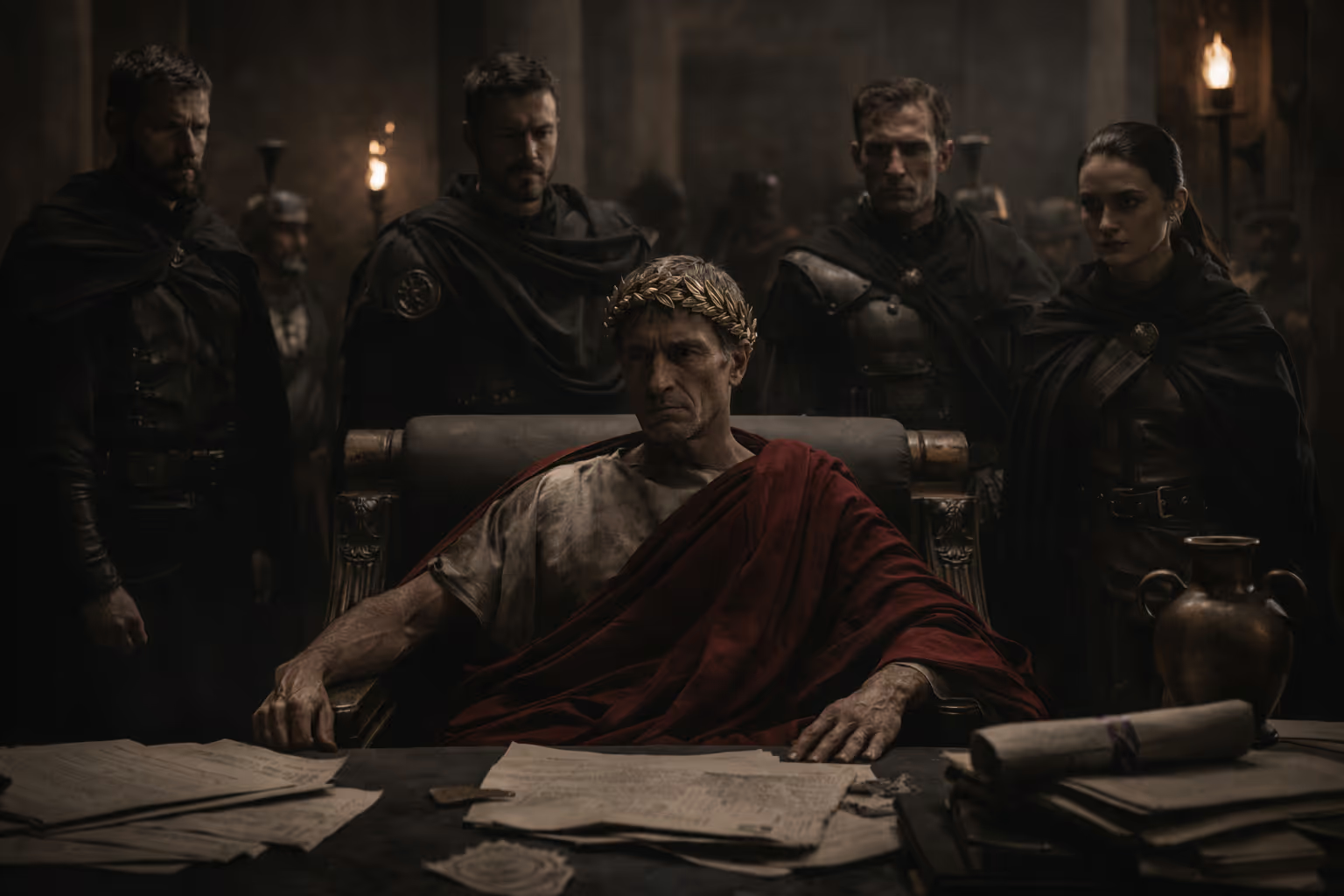
I am old now. My hands tremble like dry leaves when the harsh autumn wind blows, and my eyes can no longer perceive the world with the crystalline clarity of my early years. Yet, there are memories that neither the crushing weight of years nor the will of the gods themselves can erase—memories that remain entrenched in the mind, burning as alive and stubborn as the perpetual fire on the altar of Jupiter.
I was young then. Merely a servant of ink, a minor scribe earning his bread copying fiery speeches for senators and keeping the endless accounts of merchants in the bustle of the Forum. Rome was powerful, proud... we believed it was eternal. No one imagined, under the light of those torches, that the fate of the Republic already walked among us, breathing our very air.
And still less could we suspect that, that very night, men would arrive who belonged to no kingdom known on earth. They did not cross the heavy gates of the city, they did not sail up the dark waters of the Tiber in foreign galleys, nor did they march raising the dust of the Via Appia as the legions did. They appeared from nowhere, as if the gods had torn the vault of heaven in a single stroke to let them fall, furtive and silent, in the middle of the night.
I remember first the omen of sound, a strange and unnatural hum, like that of a swarm of bees forged in iron. Then, raising my eyes, I saw the lights, small stars, pale and cold, floating at will over the terracotta roofs of Rome. And then... cloaked in shadow, I saw the men.